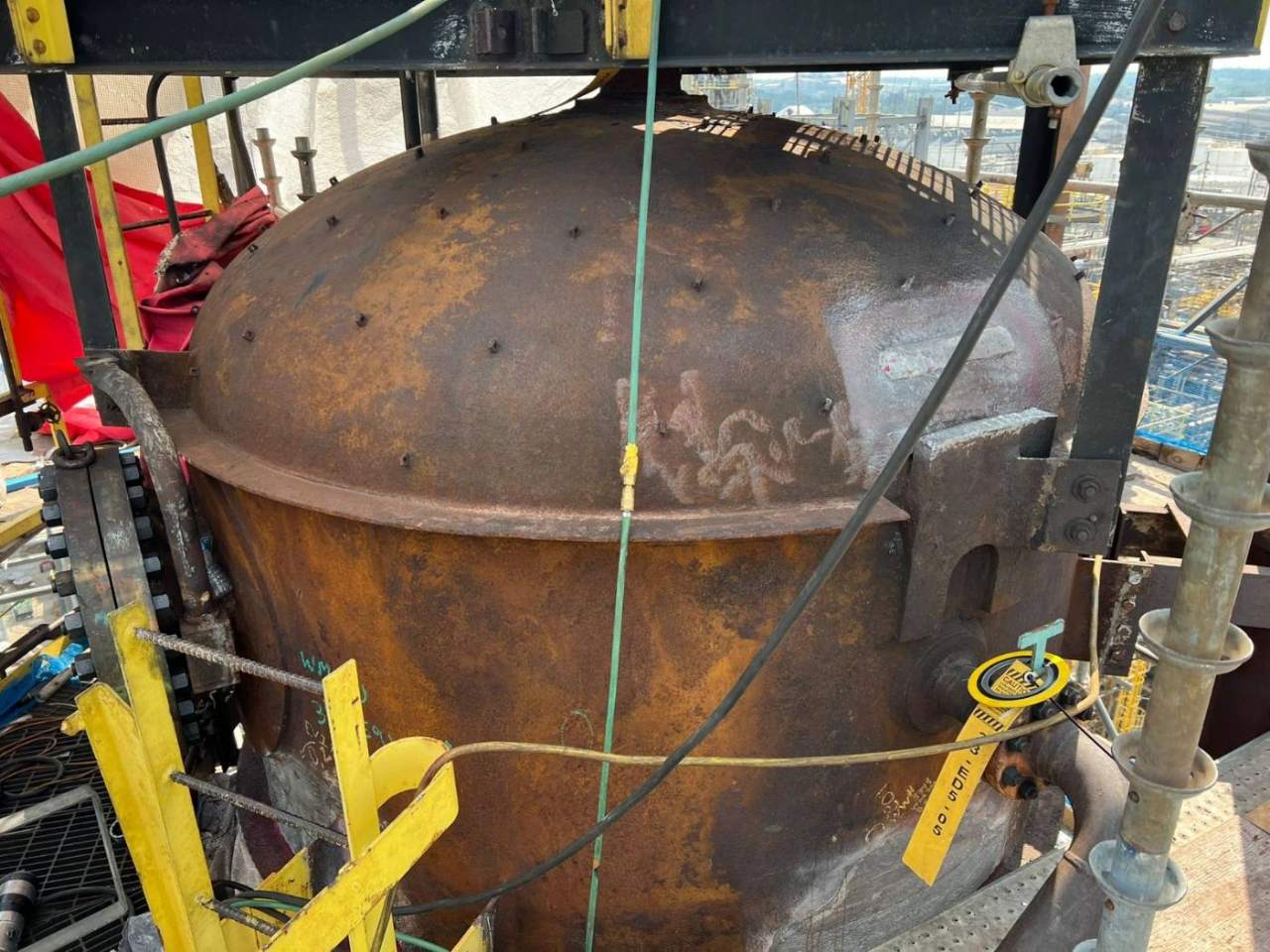
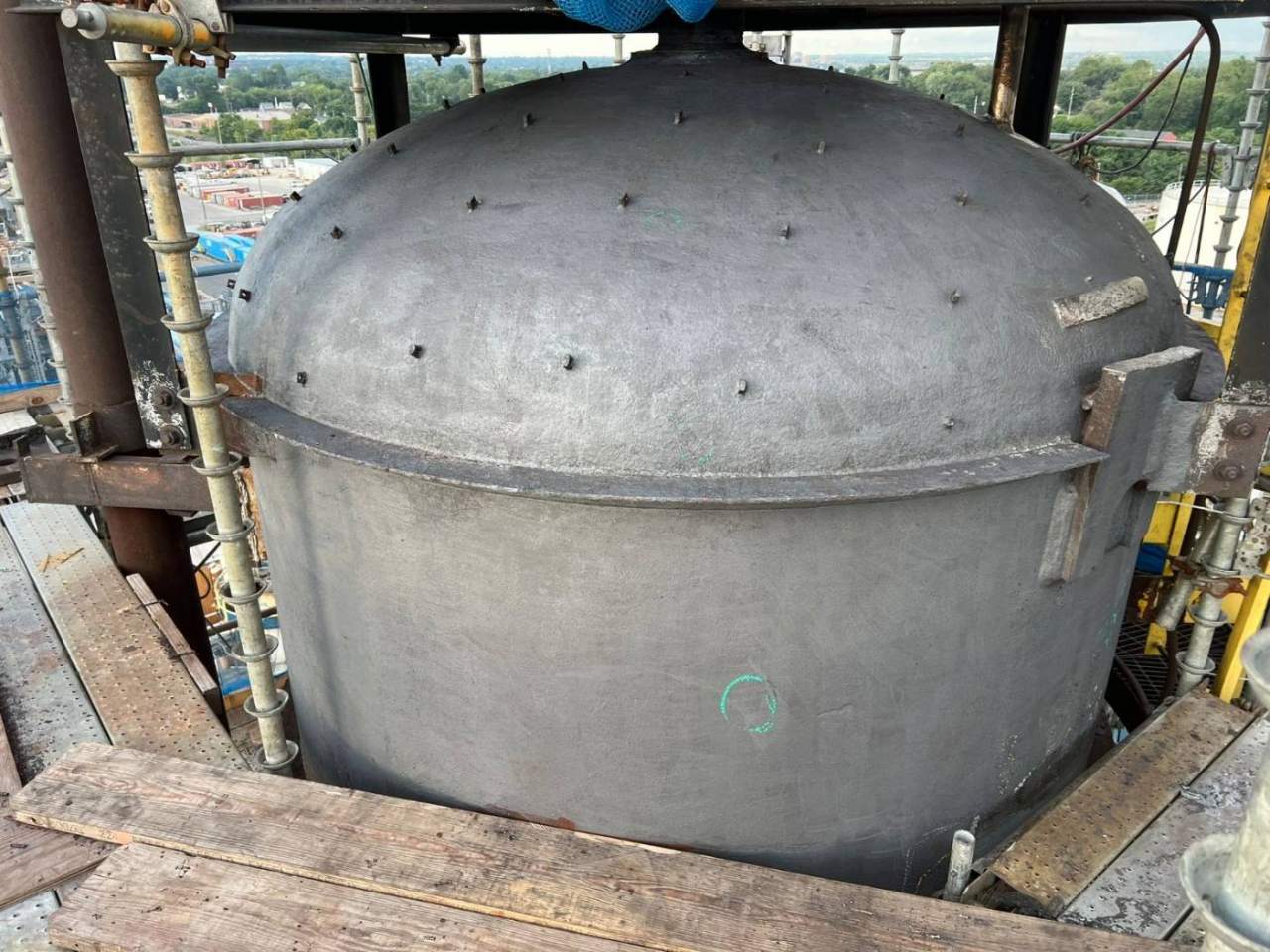
Mobile laser cleaning field services
Extrinite mobilizes equipment and trained operators to refineries, petrochemical plants, terminals and pipelines in Texas, Louisiana and the Gulf Coast, for coating removal, corrosion removal, localized CUI access, and weld and inspection preparation.
- Field services
- Texas, Louisiana and the Gulf Coast
- Base
- Texas
- Confined space
- Yes, with permits and monitoring
- SIMOPS
- Possible with controls in place
What our field crews do
Extrinite brings the equipment, the operators and the procedure. You get a defined scope executed to an agreed acceptance criterion, without building laser capability in-house or finding spare labor during a turnaround.
Typical scopes
Typical scopes: localized coating removal on repair areas, corrosion and oxidation removal from process equipment, cleaning exposed steel after insulation removal for CUI inspection, weld zone preparation, and surface cleaning ahead of NDT.
Process equipment
Towers, vessels, exchangers and piping: oxidation, hydrocarbons and chlorides removed with minimal heat input.Structural steel
Localized corrosion and coating failures on structures, supports and skids.Tanks and terminals
Shell and weld preparation, recoat preparation on existing coating systems.How a project runs
The sequence below is Extrinite's standard field procedure, and it is the same whether the scope is a single repair area or a turnaround campaign. Open any step for the detail.
01
Application review
Substrate, contaminant type and hazardous constituents identified.Machine selected and lead reach confirmed against the geometry.
02
Site and safety planning
JHA prepared and approved before mobilization.Permits, attendants and atmospheric monitoring arranged where the work is in a confined space. Ventilation selected for the material.
03
Setup
Laser unit and generator positioned outside any confined space.Only low-voltage service leads routed in. Barricade perimeter established in open areas.
04
Calibration patch
A test patch is run and the optimal parameters recorded before production work begins.Settings that suit one coating and substrate will not transfer to another.
05
Execution
Substrate temperature monitored, power and speed adjusted to avoid heat damage.Production rates, pass counts and final profile recorded as the work proceeds.
- 06
Verification and handover
Final cleanliness and profile inspected, adhesion testing carried out where coating follows, and parameters documented for future reference.
Working safely on operating sites
Laser ablation is not inherently safe because it uses no abrasive. It replaces one hazard set with another, and the controls are what make it workable inside a live plant.
Electrical separation in confined spaces
The laser unit and the 150 kVA generator stay outside the space.
The 480 V input cable runs only between them and never enters. Inside, there is nothing but fiber optic, 12 VDC communications, air and water lines, bundled and kept separate from the power cable.
Atmosphere and ventilation
Continuous monitoring for oxygen, LEL, H₂S and CO.
Fresh-air supply for non-hazardous coatings; HEPA filtration where a coating has hazardous constituents. Airflow direction and rate confirmed before the laser starts.
PPE in confined spaces
Tyvek coveralls, externally supplied fresh-air hood with full-face respirator inside it, hearing protection for 68 dB, steel-toe boots, hard hat, cut and impact resistant gloves, and a personal 4-gas monitor.Open-area work
Typically no ventilation required, with a barricade perimeter of around 20 ft.
Simultaneous operations by other trades are possible once laser controls and extraction are in place.
Documentation and handover
Production rates, pass counts and final profile are recorded as the work proceeds.
Production rates
Recorded as the work proceeds.Pass counts
Recorded as the work proceeds.Cleanliness and profile
Inspected at handover.Parameters
Documented for future reference.Documented projects
Two documented projects, both with named counterparties.
Frequently asked questions
For other questions, call 346.217.6583 or email info@extrinite.com.
Where does Extrinite mobilize?
Field services serve Texas, Louisiana and the Gulf Coast. Equipment rentals ship nationwide. For a site elsewhere, tell us where the job is.
Can you work inside vessels and confined spaces?
Yes. The laser unit and generator stay outside the confined space. Only low-voltage service leads enter: fiber optic, 12 VDC communications, air and water. The 480 V supply cable never enters the space, which removes the high-voltage hazard from inside the vessel.
Work inside requires continuous atmospheric monitoring, confined space permits and standby attendants, with ventilation matched to the material being removed.
Can other trades work nearby while you are cleaning?
Simultaneous operations are possible, which is one of the practical advantages over blasting. It requires appropriate Class 4 laser controls and fume extraction to be in place, and a barricaded perimeter of around 20 ft in open areas.
What safety documentation do you work to?
JHA approval before mobilization, daily toolbox talks, site safety audits, continuous 4-gas monitoring, full PPE including respirators and FR coveralls, and secured work zones. Confined space work adds permits, attendants and continuous monitoring for oxygen, LEL, H₂S and CO.
Do you handle hazardous coatings?
Extrinite does not work in hazardous areas with a potentially explosive atmosphere, or on anything contaminated with lead or asbestos. Where a coating has other hazardous constituents, extraction is provided through a HEPA filtration unit so particulate is captured rather than released. Identify hazardous constituents before the job so the right ventilation is specified.
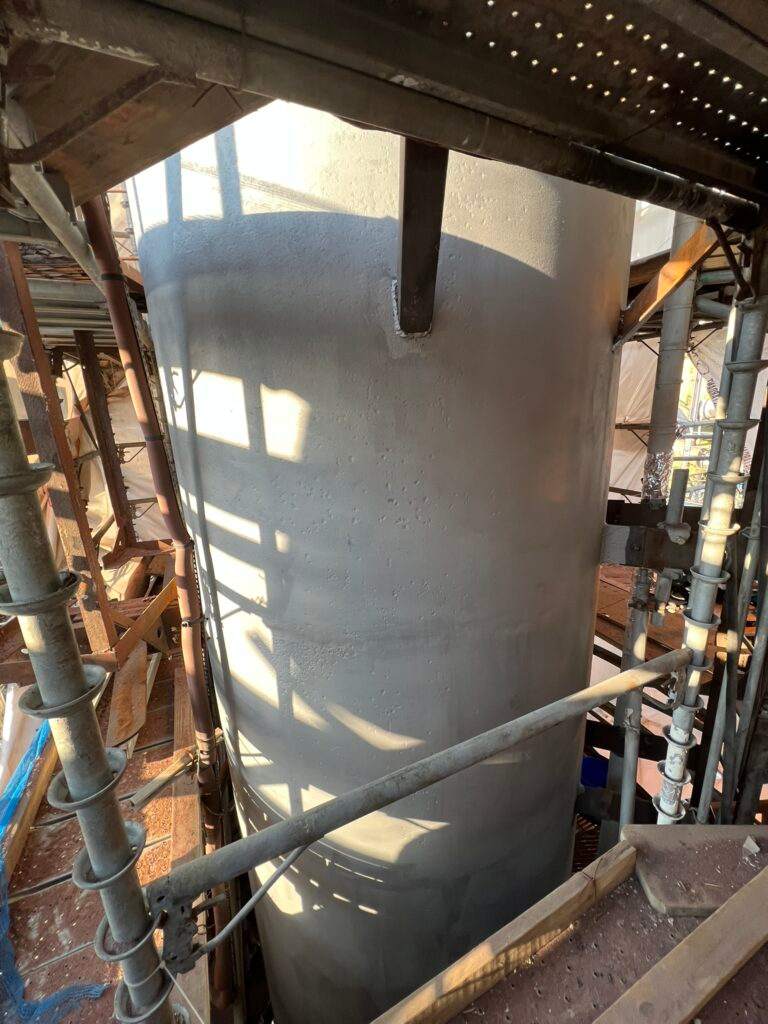
Tell us about the scope
Send the asset, the contaminant, the location and your window. We will tell you whether laser ablation fits the scope and what mobilization involves.