Laser cleaning for weld preparation
Clean bare metal at the weld zone, without abrasive media, grinding damage or embedded particles, and without preparing more of the surface than the job requires.
Weld zone contamination
Porosity in welds is typically caused by failing to prepare the surface adequately.
Grinding and blasting
Oxide, mill scale, coating residue, oils and moisture all end up in the weld pool if they are still on the metal when the arc strikes.
Mechanical preparation works, but it is blunt. Grinding removes parent metal and leaves its own surface condition. Abrasive blasting leaves embedded media and prepares a far larger area than a weld band needs. Both require clearing the surrounding area.
What laser preparation removes
Rust and iron oxide, mill scale, paint and coating residue, heat tint, hydrocarbons and oils, and surface chlorides.
Field reporting
The process is selective and non-contact, so the parent metal geometry is unchanged.
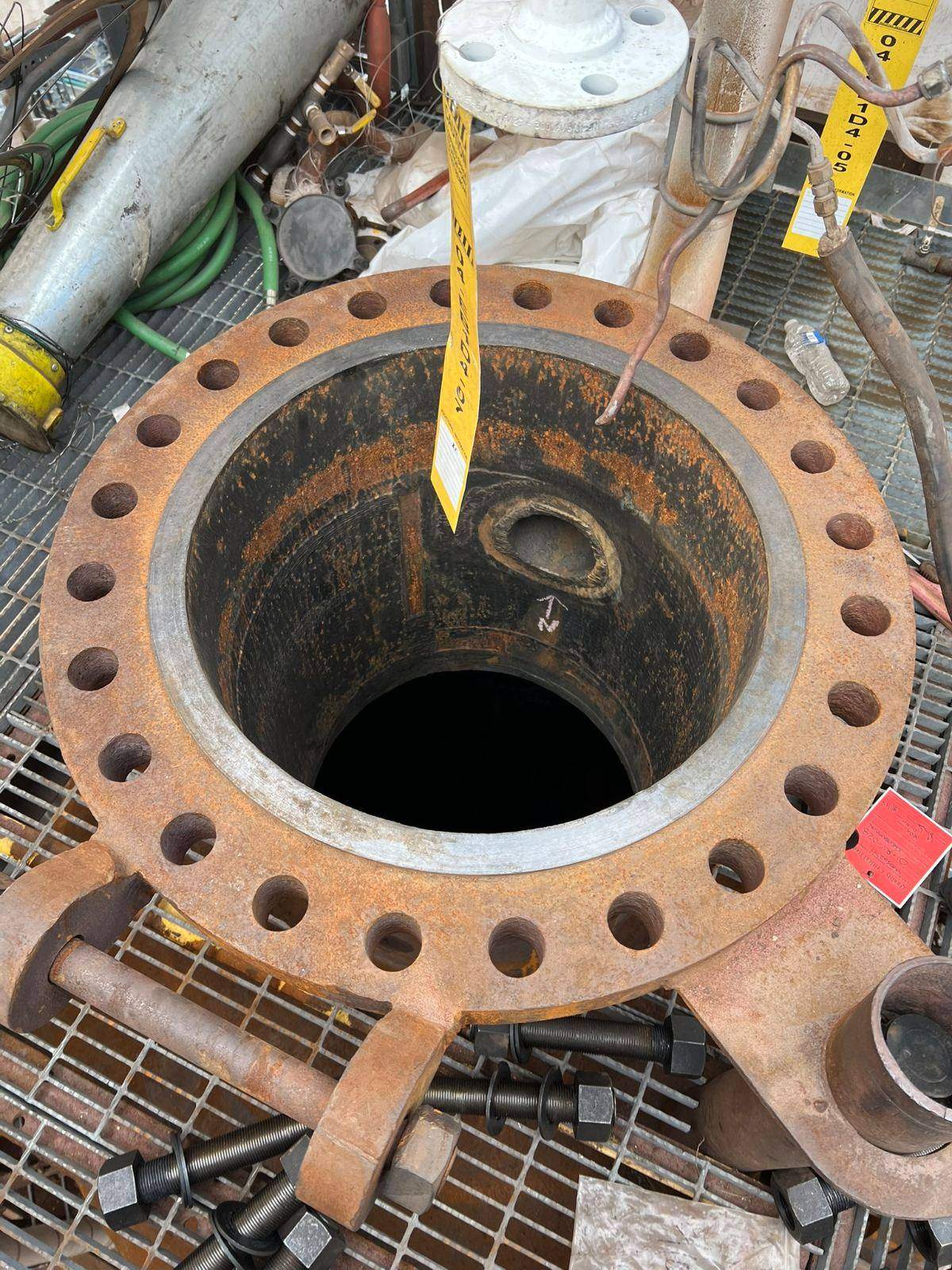
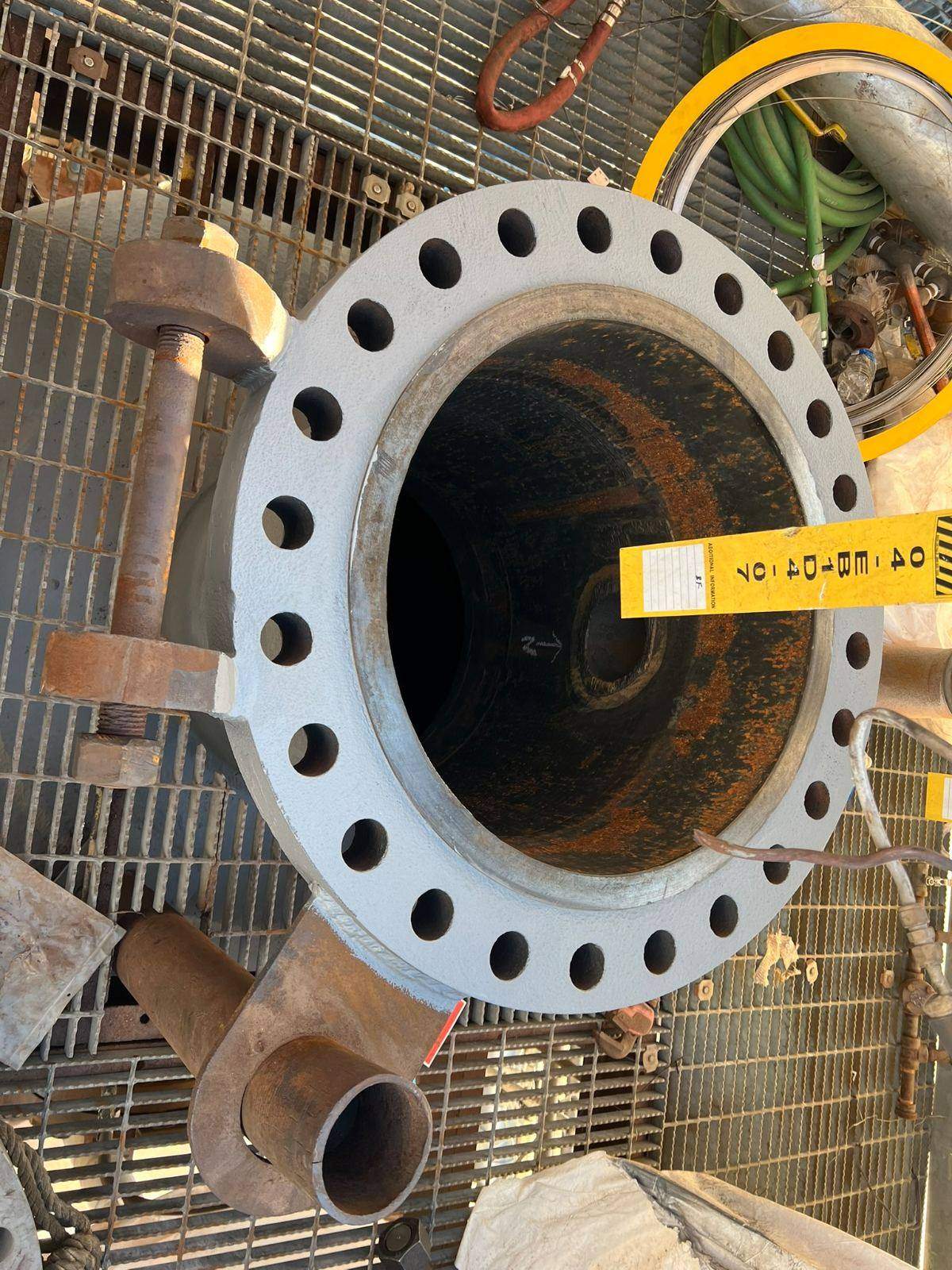
Extrinite's field reporting records laser preparation on a welded area that had been shop blasted and then welded in the field: rust removed and the weld profiled, with the tie-ins showing rust but no pitting.
Before the work
Settle these before the work is scheduled.
Your welding procedure governs
Laser preparation produces visibly clean bare metal.
Whether that satisfies your WPS is a question for the responsible welding engineer, settled before the work is scheduled.
Reflective and mill-scaled surfaces are weak applications
New carbon steel with mill scale and highly reflective materials both perform poorly: the beam is deflected rather than absorbed.Heat input is low but not zero
Substrate temperature is monitored and settings reduced on thin material.Frequently asked questions
For other questions, call 346.217.6583 or email info@extrinite.com.
Does laser cleaning improve weld quality?
Weld porosity is commonly traced to inadequate surface preparation. Removing oxide, coating and hydrocarbon contamination from the weld zone addresses that directly, and leaves no abrasive particles behind to be entrained.
How wide a band can you clean around a weld?
Cleaning width is adjustable up to 6 in on the 2,000 W system and up to 12 in on the 3,000 W. For weld preparation the narrower setting is usually preferred, because the point is control.
Will it damage the parent metal?
With correct parameters, no. The process is non-contact and selective. Substrate temperature is monitored during work and power and speed adjusted to avoid heat damage; thin substrates are run at reduced settings.
What cleanliness does the WPS need?
That is your welding engineer's call. Laser preparation produces visibly clean bare metal; whether it satisfies your procedure is a question to settle with the responsible engineer before the work is scheduled.
Discuss a weld preparation scope
Tell us the material, the joint, the coating condition and your procedure requirements.