Laser cleaning applications
Four applications where laser cleaning earns its place in industrial surface preparation, and an honest account of what determines whether it suits your job.
Applications
Four applications, each with its uses and its limits.
Weld preparation
Removing oxides, coatings, oils and contamination from the weld zone without abrasive media, grinding damage or embedded particles.Uses and limitsNDT & inspection preparation
Exposing a surface for examination without smearing metal, embedding media or altering the geometry the inspector is assessing.Uses and limitsCoating & paint removal
Localized removal on defined repair areas, and feathering into sound adjacent coating without damaging it.Uses and limitsRust & corrosion removal
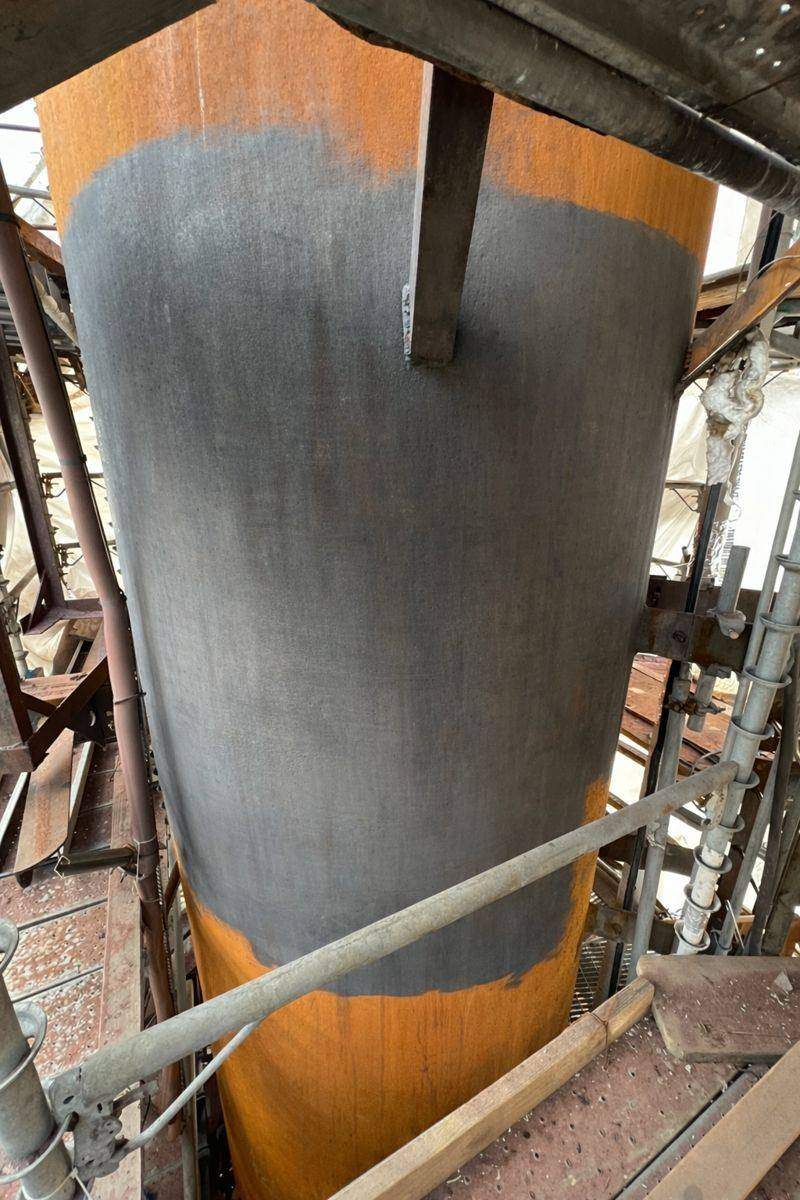
Oxidation and corrosion product removal from process equipment, structural steel and fabricated assemblies.Uses and limits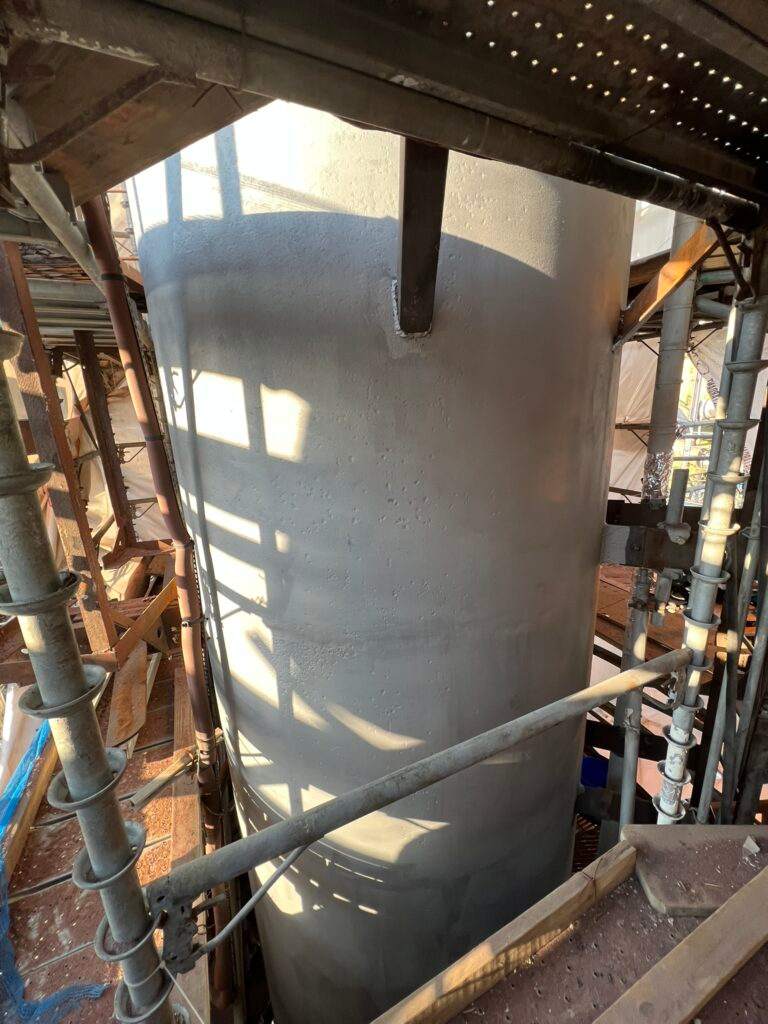
Application testing
Where the coating or substrate is uncertain, a test on a representative sample settles it.Testing and demonstrationsSuitability
Four variables decide whether laser ablation is the right method for a given job, and none of them is how powerful the machine is.
Substrate
Highly reflective materials deflect the beam.
New carbon steel with mill scale is a weak application. Thin substrates need reduced settings to avoid thermal damage.
Contaminant
Rust, oxide, hydrocarbons and chlorides come away readily.
Coatings vary enormously: two pipeline systems of similar thickness behaved very differently in the same test program.
Area and access
Laser ablation is line of sight and will prepare any visible area.
On very large areas, blasting is usually quicker. Service leads reach 60 ft from the source on the 2,000 W and 100 ft on the 3,000 W.
Acceptance criterion
Cleanliness and profile are separate requirements in your specification.
Agree how both will be measured before work starts.
Discuss your application
Describe the asset and the contaminant. We will tell you whether laser ablation suits it, which system to use, and whether to rent or have us execute.