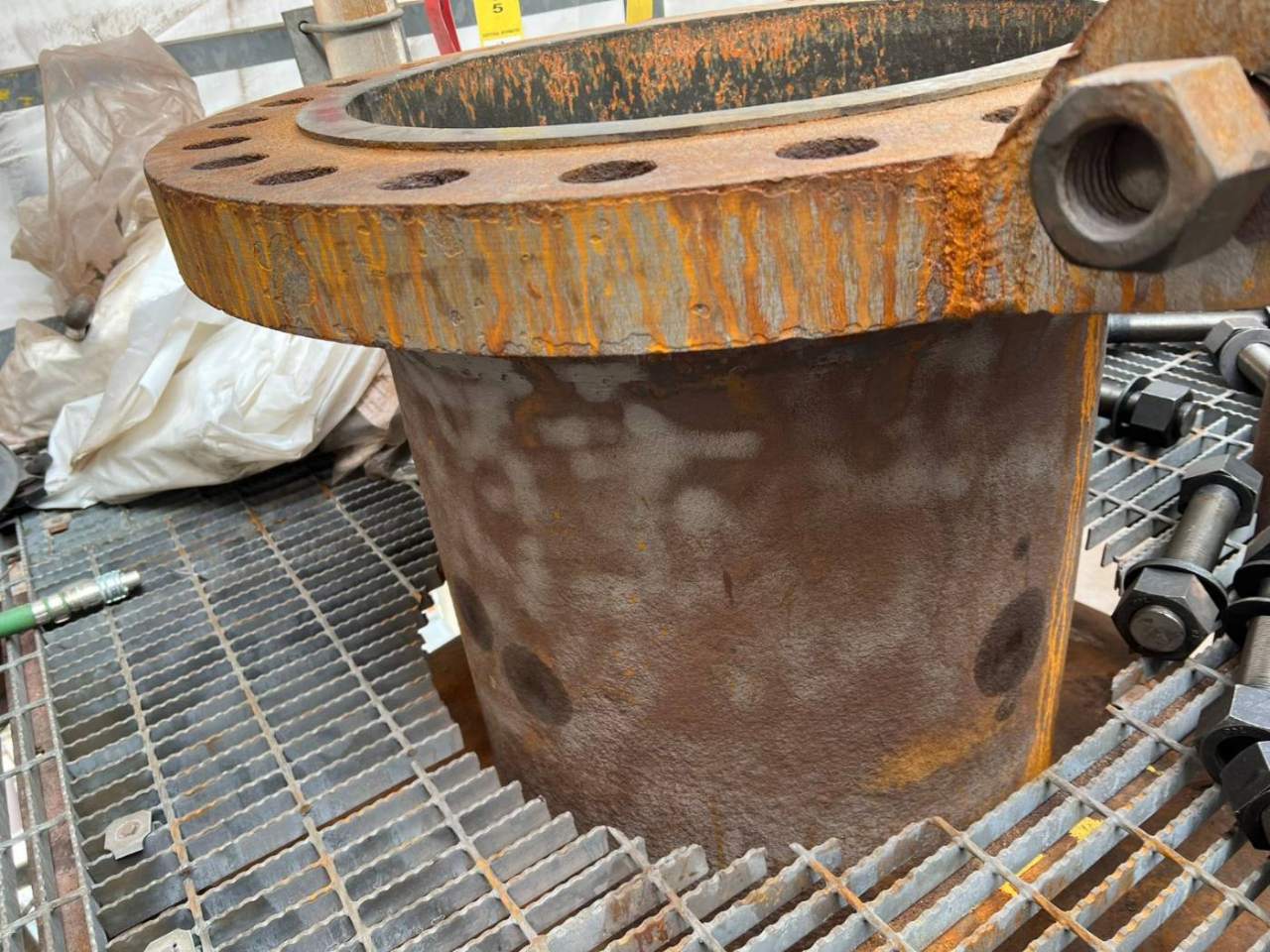
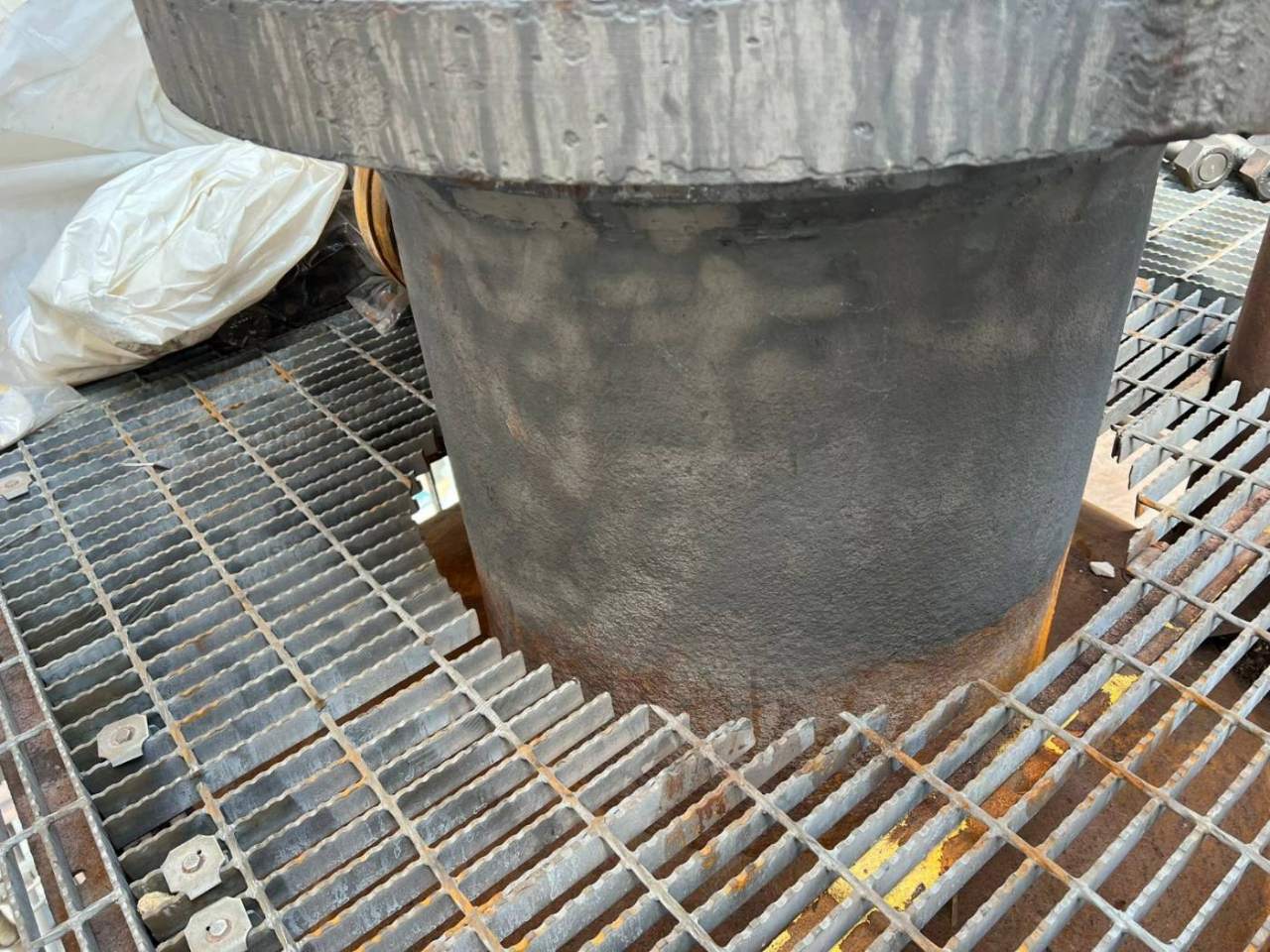
Surface preparation for NDT and inspection
A failed inspection because the surface was not ready is one of the most expensive hours in a turnaround. Laser ablation exposes the steel without embedding media, smearing metal, or changing the geometry the inspector came to assess.
Inspection‑ready surfaces
For surface examination the ideal is clean base metal, free of coating, corrosion product and foreign material, with the component's own geometry intact.
Grinding and blasting
The cleaning process should not introduce anything the examination then has to interpret.
That is where mechanical methods create friction. Grinding can smear metal over a discontinuity. Blasting leaves media in the surface and prepares an area far larger than an inspection window. Laser ablation removes the contaminant layer and stops.
Localized windows and re-preparation
Most inspection preparation is localized: a weld, a tie-in, a corrosion monitoring location, a specific area flagged by a previous campaign.
Test reporting
Laser ablation suits that pattern, and it suits the follow-up too, if an indication requires another look, the area can be cleaned again without another containment setup.
Extrinite's own test reporting notes the method as particularly suited to spot NDT inspection and repairs to specific areas of coating.
Your NDT procedure
“Laser cleaned” is not an acceptance criterion.
UT coupling surfaces
Your procedure and the responsible Level III determine whether the resulting surface condition is suitable for the examination method: MT, PT, UT or VT each have their own requirements. Confirm that in advance rather than on the day.
For UT in particular, the coupling surface requirement governs, and a clean surface is necessary but not automatically sufficient.
Frequently asked questions
For other questions, call 346.217.6583 or email info@extrinite.com.
Is a laser-prepared surface acceptable for NDT?
That is determined by your NDT procedure and the responsible Level III. Laser preparation produces a clean surface without embedded media or smeared metal, which is generally favorable for surface examination, but the procedure has to accept it, and that should be confirmed in advance.
Why not just grind or blast the inspection window?
Both work. Grinding can smear metal across a discontinuity and removes parent material. Blasting embeds media and prepares a far larger area than an inspection window needs. Laser ablation is selective and non-contact, which is why it suits localized examination areas.
Can you re-clean an area after an indication?
Yes, and that is one of the stronger arguments for it. Re-preparing a localized area does not require standing up another blast setup, containment or clear-out.
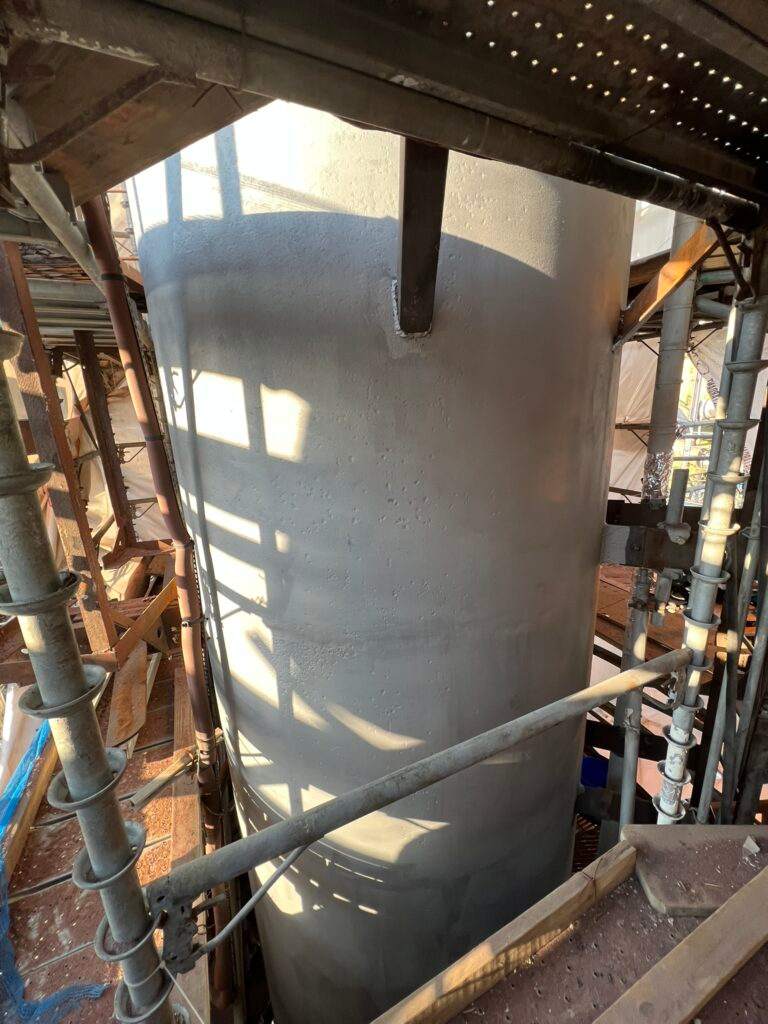
Discuss an inspection scope
Tell us the examination method, the asset and the window. We will tell you what laser preparation can deliver and what your procedure needs to confirm.