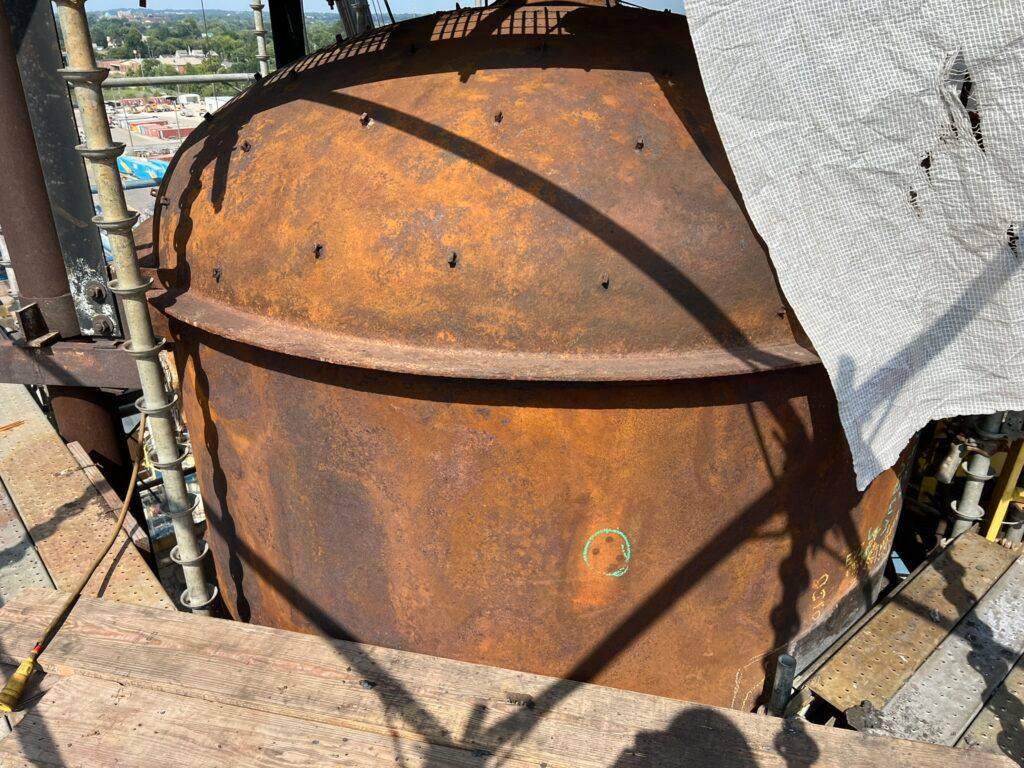
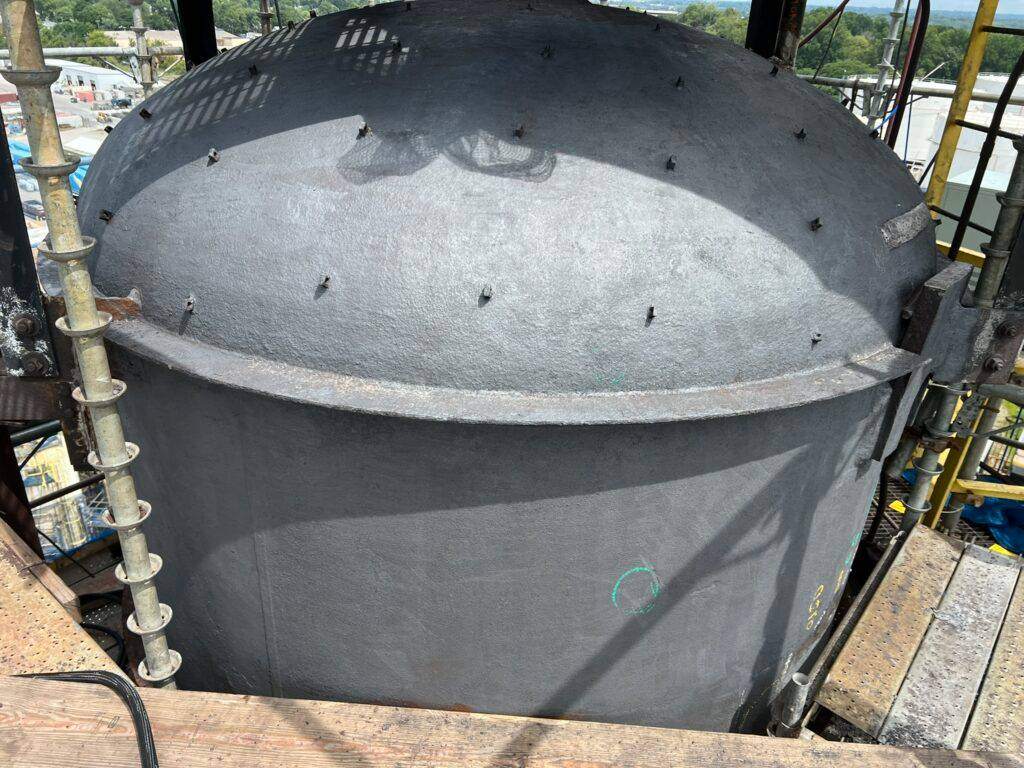
Laser ablation on refinery stabilizer tower and visbreaker equipment
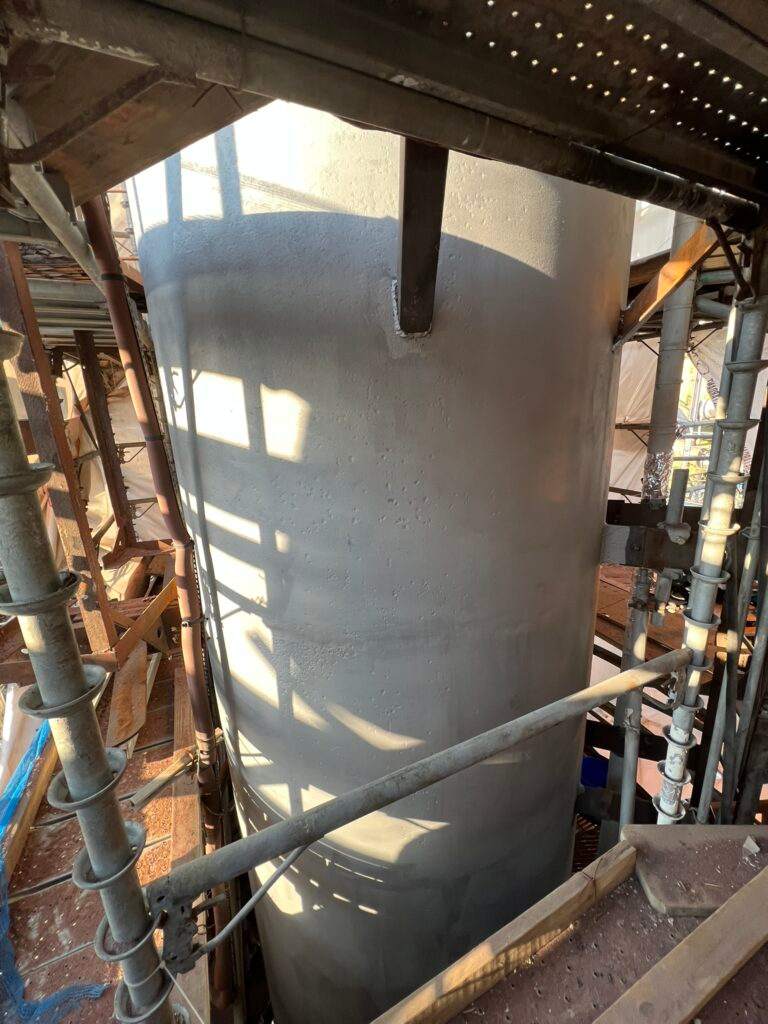
Extrinite, subcontracting for Repcon, performed laser ablation on critical Stabilizer Tower and Visbreaker equipment to remove oxidation, hydrocarbons and chlorides with minimal heat, allowing inspection, coating and welding to proceed.

Results
Process equipment that carried heavy oxidation scale before laser ablation was returned to white metal on completion. Inspection, coating and welding proceeded. The project was completed within budget and ahead of the scheduled timeline.
AfterBeforeRemoved
Oxidation scale, hydrocarbons, chlorides.Enabled
Inspection, coating application and welding.Method constraint
Minimal heat input to in-service process equipment.Outcome
The project was completed within budget and ahead of the scheduled timeline.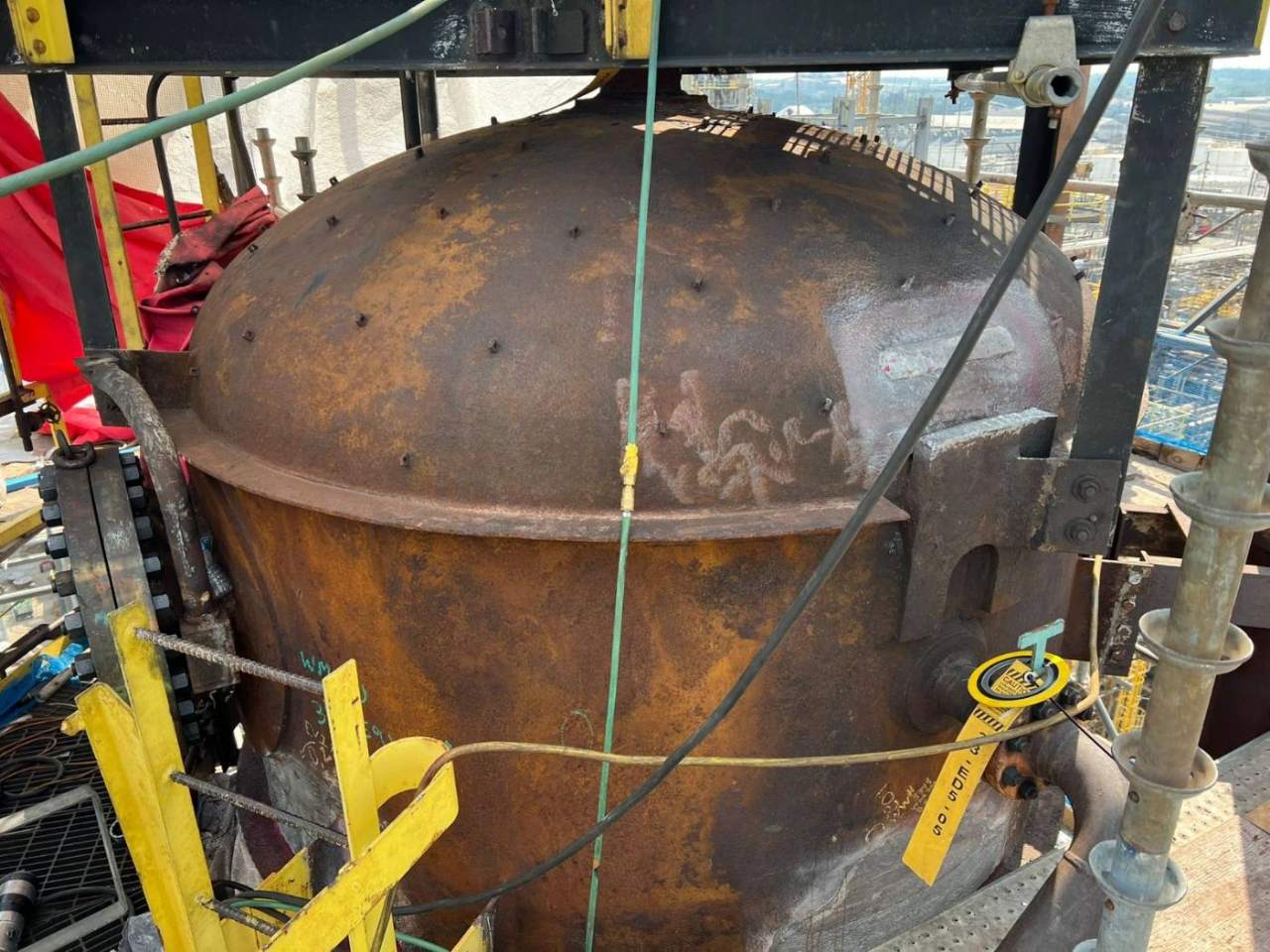 Before
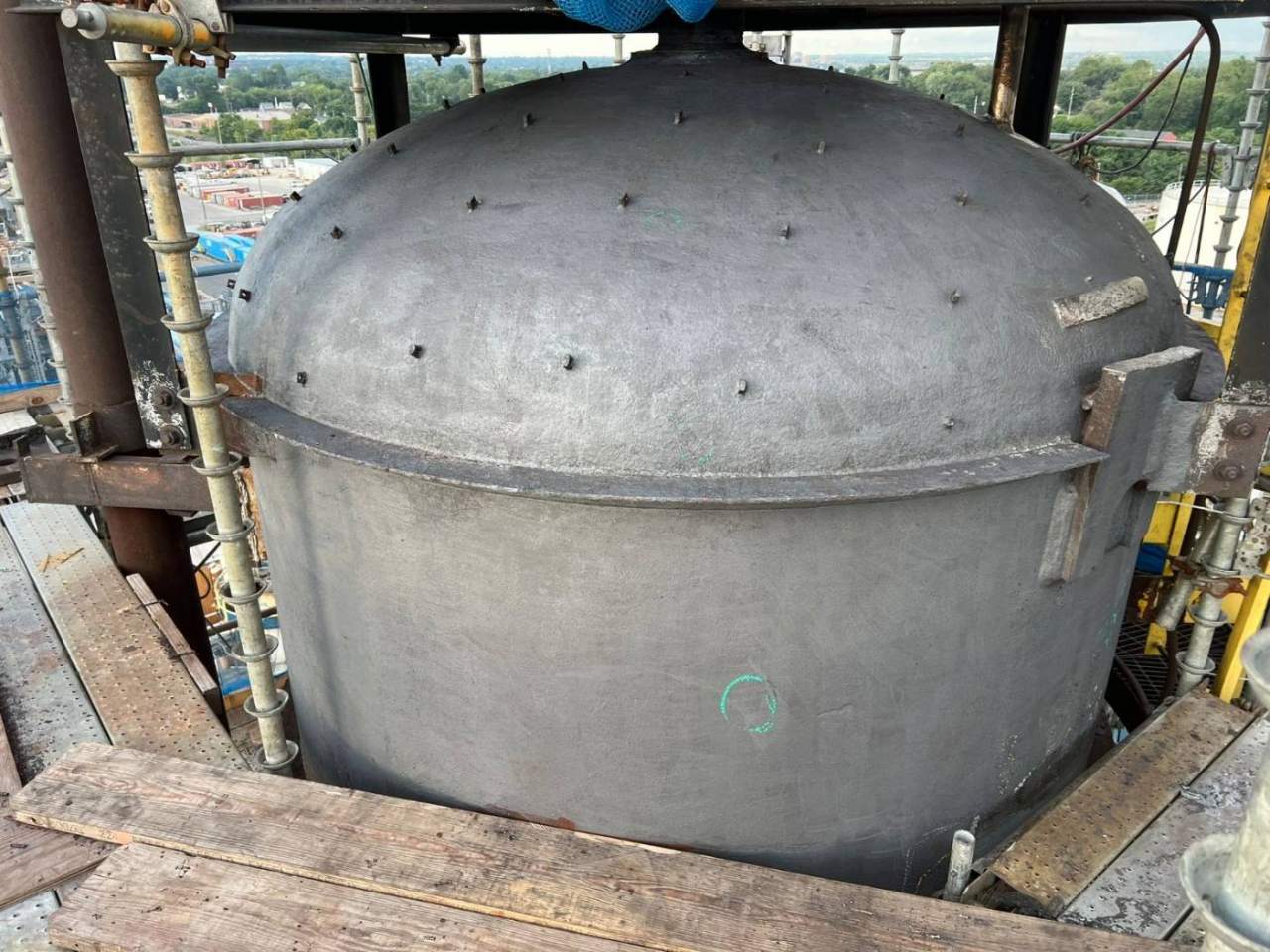 After
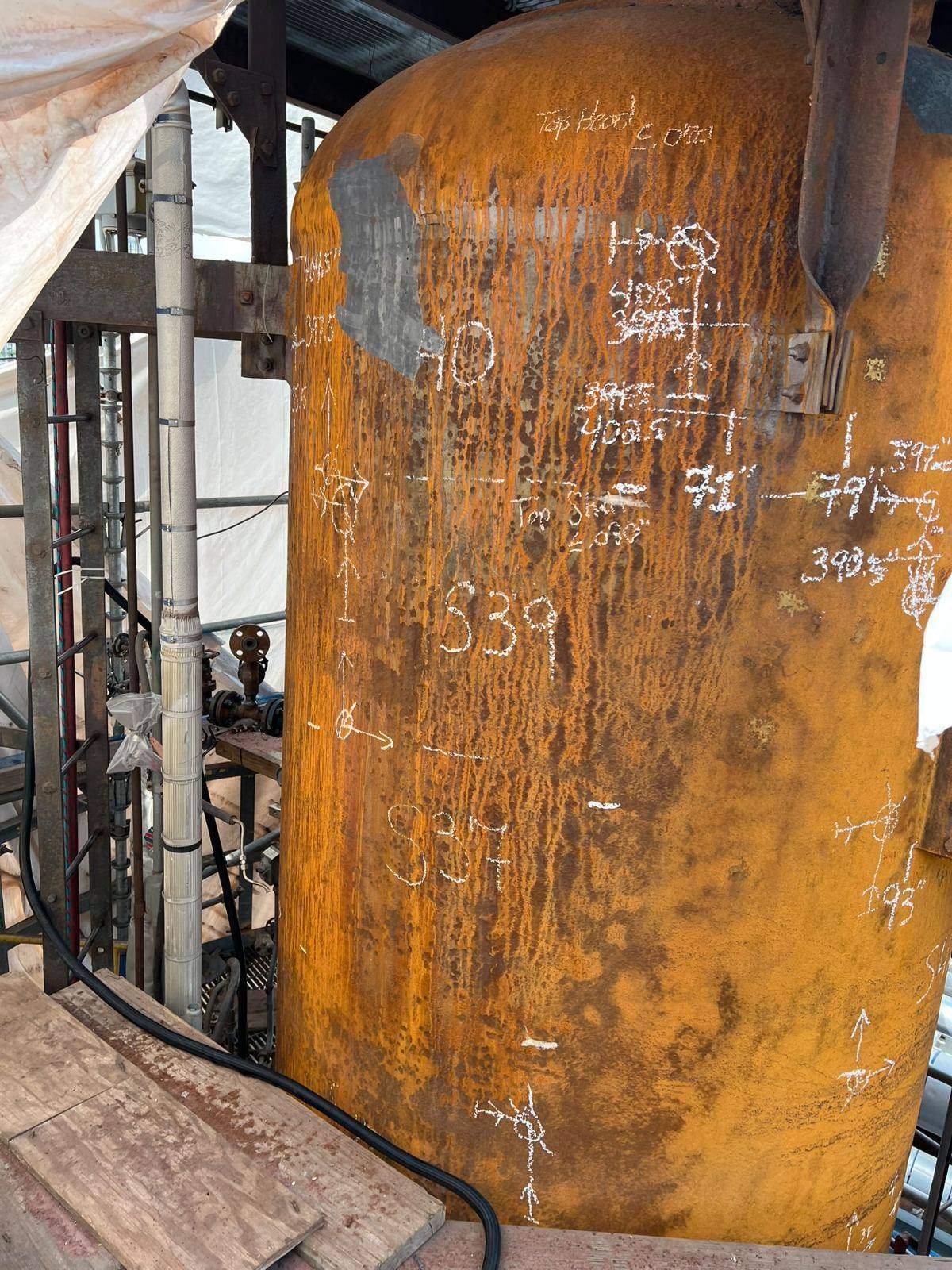 Before
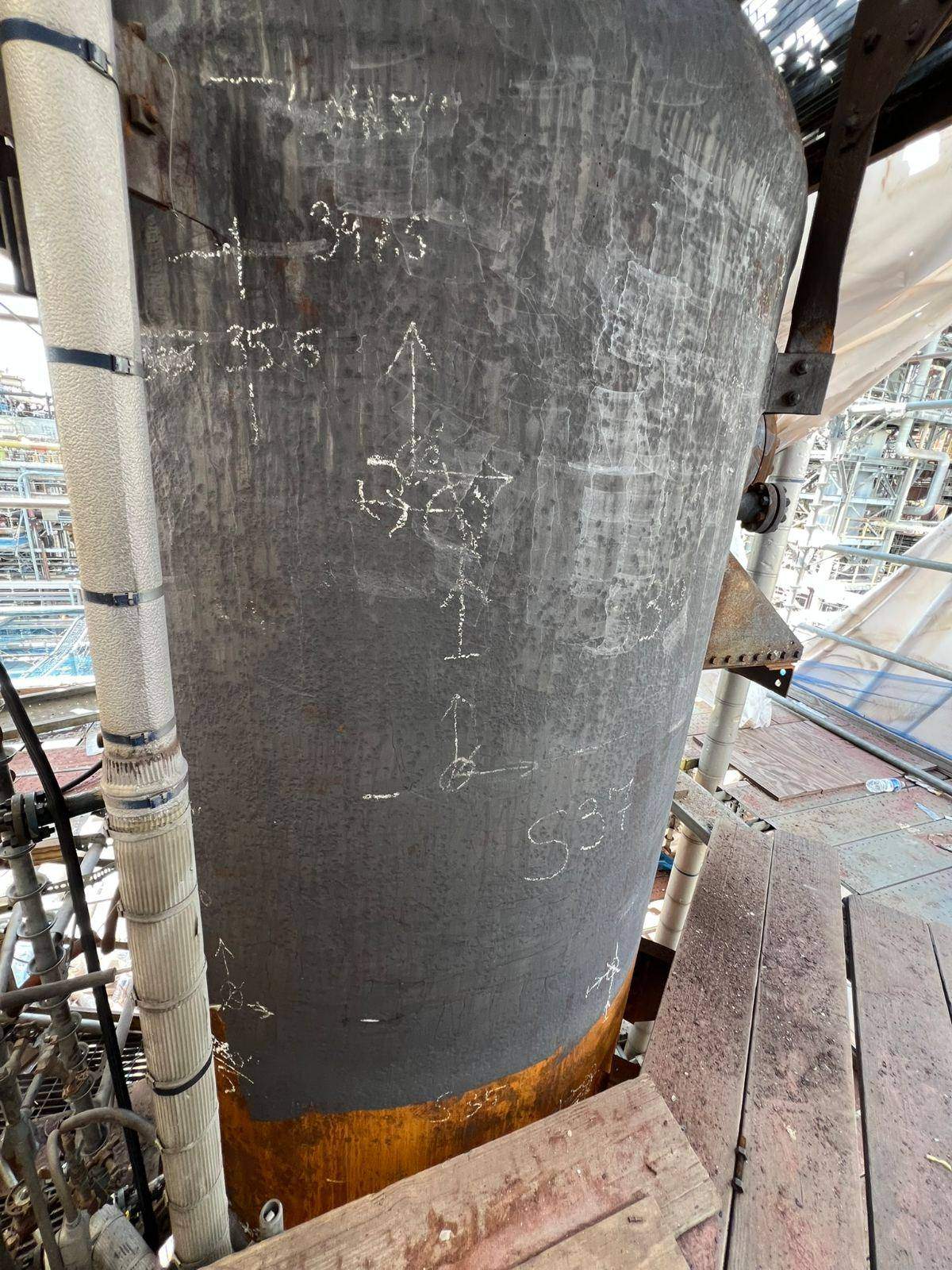 After
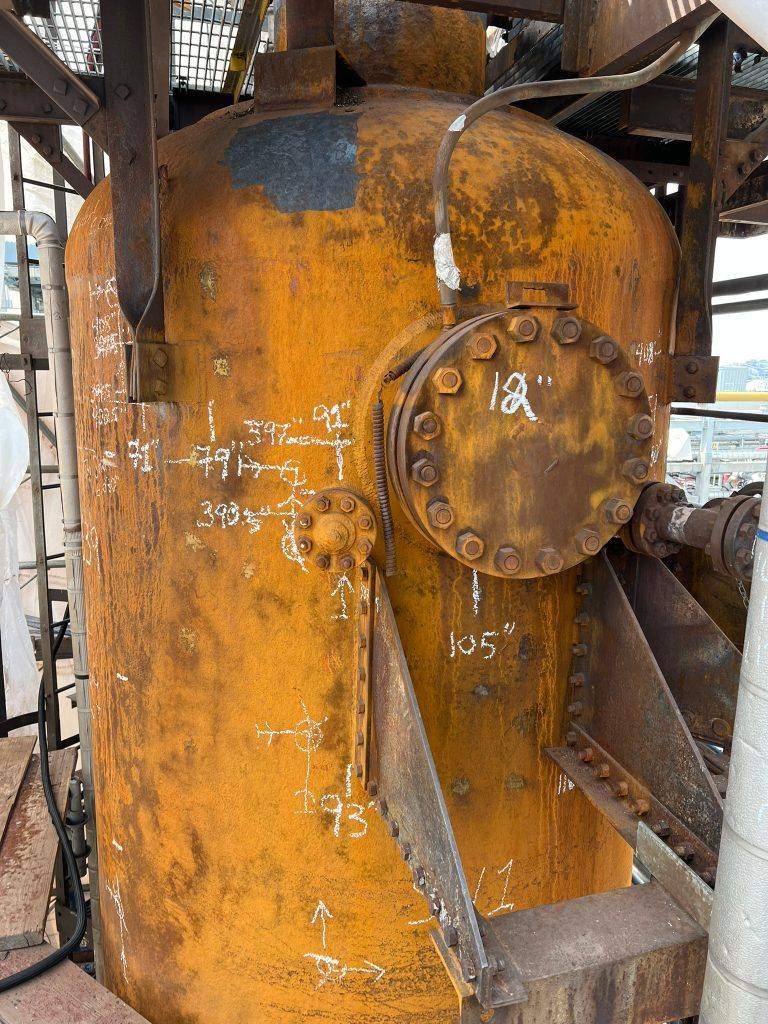 Before
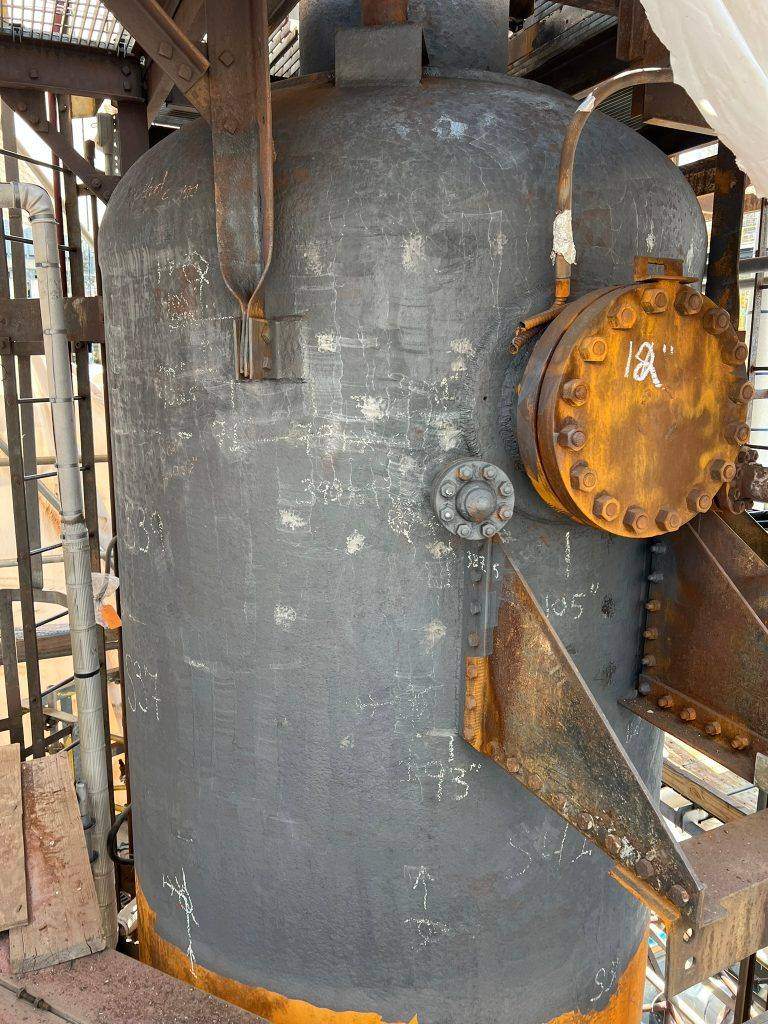 After
The scope
Two pieces of critical process equipment required surface preparation in the field so that inspection, coating and welding could proceed: a Stabilizer Tower and a Visbreaker.
Conditions on site
The surfaces carried heavy oxidation scale along with hydrocarbon and chloride contamination. All three had to be removed. The case study records that all three were removed with minimal heat input.
Why laser ablation was selected
Three reasons, in the order they mattered to the site.
01
Hydrocarbons and chlorides come off with the scale
Laser ablation removes hydrocarbons and chlorides from the surface in the same pass as the oxidation.Salt levels on a prepared surface still need to be verified with the project-specified test method, such as Bresle, before coating.
02
No spent media
There is no abrasive to contain, recover, characterize or dispose of inside an operating unit.03
Controlled heat and controlled area
The process is adjustable and line of sight, so the energy goes where the operator points it.The case study records the work as done with minimal heat, allowing inspection, coating and welding to follow.
How safety was managed
Laser ablation in a refinery is a Class 4 laser operation inside a hydrocarbon environment. Both sets of controls applied simultaneously.
Before mobilization
- JHA approval required before mobilization
- Coating and repair strategy agreed with the coating manufacturer and end user
- Work zones defined and secured against unauthorized entry
During execution
- Daily toolbox talks
- Site safety audits
- Continuous 4-gas monitoring
- Full PPE including respirators and FR coveralls
Coordination with the coating system
Extrinite aligned the repair and coating strategy with Carboline and the end user before work began. The coatings themselves were applied by a third-party contractor.
Why it matters
This is the part of the project most often skipped by surface preparation vendors. Surface preparation only has value if the coating that follows it will perform. Extrinite's starting point is the coating manufacturer's requirement for the specific product being applied, and the laser parameters are then set to meet it.
| Equipment | Coating system | Applied by |
|---|---|---|
| Stabilizer Tower | Carboline Carbomastic 15 | Third-party contractor |
| Visbreaker | Carboline Thermaline Heat Shield | Third-party contractor |
Where this applies
This project is representative of the field service work Extrinite performs: in-place cleaning of process equipment where media containment, chemical cleaning or heat input make conventional methods difficult.
Frequently asked questions
For other questions, call 346.217.6583 or email info@extrinite.com.
What equipment was cleaned on this project?
Stabilizer Tower and Visbreaker process equipment at a refinery, cleaned in place in the field. Extrinite worked as a subcontractor to Repcon.
What was removed?
Oxidation, hydrocarbons and chlorides. On this project hydrocarbons and chlorides came off in the same pass as the oxidation. Salt levels on any prepared surface still need to be verified with the project-specified test method before coating.
Why does “minimal heat” matter on process equipment?
The case study records that oxidation, hydrocarbons and chlorides were removed with minimal heat, so inspection, coating and welding could follow. Heat input is set by the laser parameters, which is why they are recorded on the calibration test patch before work starts.
Can this be done during a turnaround?
Yes. This scope was performed in the field under a site JHA with continuous 4-gas monitoring and controlled work zones, which is the operating pattern turnaround and SIMOPS work requires.
Does Extrinite coordinate with the coating manufacturer?
On this project Extrinite aligned the repair and coating strategy with Carboline and the end user before work started. The coatings were then applied by a third-party contractor. Coordinating the surface preparation method with the coating manufacturer before mobilization is standard practice for us.
Process equipment cleaned in place
Tell us the asset, the contaminant and the standard the surface has to meet. We will tell you whether laser ablation is the right method before we quote it.